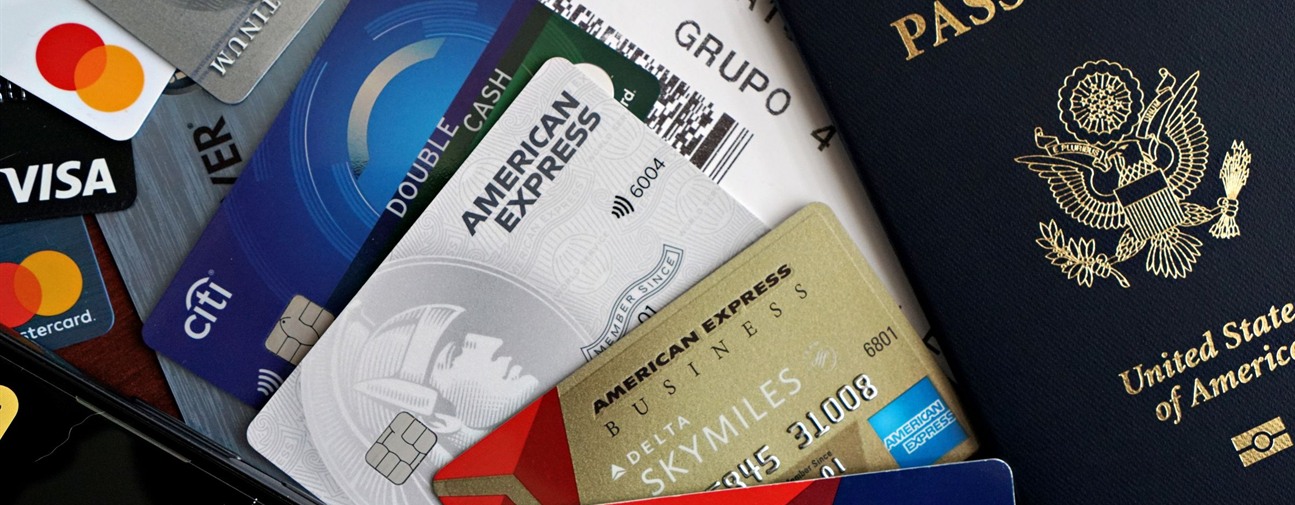
How three digital cards can organize trip spending
Using one card for every trip expense can become confusing. Flights, hotels, rides, meals, subscriptions, deposits, and emergency purchases all mix together. When you return home, it can be difficult to understand what was planned, what was daily spending, and what needs review.
A three-card digital setup creates structure. Each card has a purpose before the trip begins, so each purchase has a place. This makes travel spending easier to control and makes problems easier to contain if one card needs to be replaced.
1. The Booking Card
The first card can be used for reservations: hotels, flights, tours, rental services, and any merchant that may place a deposit or delayed charge. Keeping these payments together makes it easier to track confirmations, refunds, and pending amounts.
This card is useful before the trip and during the trip. If a hotel changes a deposit or a tour provider issues a refund, you know exactly where to look. You do not need to search through daily restaurant or transport purchases.
2. The Daily Spending Card
The second card can be used for food, taxis, cafes, shops, museums, local apps, and small day-to-day payments. This card reflects the rhythm of the trip. It gives you a practical view of what is being spent while you move around.
Because daily purchases happen more often, this is also the card you may review most. If a merchant name looks unusual, or if a small charge appears twice, it will be easier to spot because the card has one main job.
Three cards can turn a messy travel statement into a clear system: bookings, daily spending, and backup funds.
3. The Backup Card
The third card should stay available for emergencies. It can help if the daily card needs to be rotated, if a merchant does not accept one payment method, or if a reservation requires a separate card. A backup card is not meant for every purchase. It is there to keep the trip moving.
This is especially useful for longer trips, family travel, and business travel. A backup payment method gives you options without exposing your main bank card everywhere.
4. Organize The Trip Before It Starts
The system works best when the rules are clear before departure. Decide which card handles bookings, which card handles everyday spending, and which card stays as backup. The simpler the rules, the easier the trip becomes.
With eSIMBLACK Card, travelers can build a cleaner digital wallet for trips and use card separation as a practical way to organize spending.
5. How The Three-Card Method Helps During Long Trips
Longer trips create more payment complexity. A short weekend may only include a hotel and a few meals, but a two-week trip can involve multiple cities, several transport providers, deposits, subscriptions, currency changes, and many small purchases. When every charge goes through one card, the payment history becomes difficult to understand.
The three-card method gives each part of the trip a place. Bookings stay with the booking card, daily life stays with the spending card, and emergency access stays with the backup card. This separation makes the trip easier to manage while it is happening and easier to review after it ends.
The goal is not to carry more complexity. The goal is to give each card a job so the whole trip becomes easier to understand.
6. Use Card Roles To Spot Problems Faster
When each card has a role, unusual activity becomes easier to notice. If a daily spending card shows a hotel deposit, that may need review. If a backup card shows activity even though it should not have been used, you know immediately that something is wrong. Roles create context, and context helps you identify problems faster.
This is especially useful when traveling with another person. If one card is shared for bookings and another is used for personal daily purchases, it becomes easier to split costs, review receipts, and avoid confusion over who paid for what.
7. Review Each Card Separately After The Trip
After returning home, review each card according to its purpose. Start with the booking card and confirm deposits, refunds, and final hotel charges. Then review the daily spending card for restaurants, transport, and shops. Finally, confirm whether the backup card was used and why.
With eSIMBLACK Card, travelers can use multiple digital cards as a practical organization system. The structure helps with budgeting, security, and peace of mind because every card has a clear reason to exist.
8. Use Limits And Card Purpose Together
Card organization works even better when limits match the purpose of each card. A booking card may need enough room for hotels and deposits. A daily spending card may need a smaller amount that is topped up during the trip. A backup card may stay mostly unused until an emergency appears.
When purpose and limits work together, every card becomes easier to understand. You can quickly see whether spending belongs to the correct category and whether the available balance matches the next part of the journey.
9. Keep The System Simple For Everyone Traveling
If more than one person is involved, explain the card roles clearly. Booking card for reservations, daily card for normal purchases, backup card for emergencies. This keeps the system easy to follow and prevents confusion at the exact moment when a payment needs to be made quickly.

Subscribe to our Newsletter
Travel Card Resources

What to do if a travel card is compromised
If a travel card is compromised, freeze it, review recent merchants, replace it, update trusted services, and keep your main card protected.
Read More
Safer online bookings for travelers
Use a dedicated digital card for online travel bookings to reduce exposure, track deposits, and keep your main card private.
Read More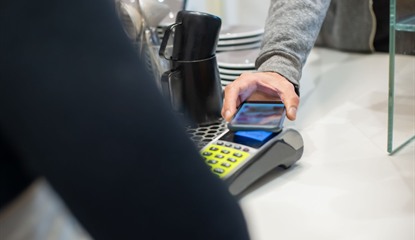
Apple Pay, Google Pay, and digital travel cards
Digital travel cards can work with compatible mobile wallets, helping travelers pay faster while keeping the main card private.
Read More