Apple Pay, Google Pay, and digital travel cards
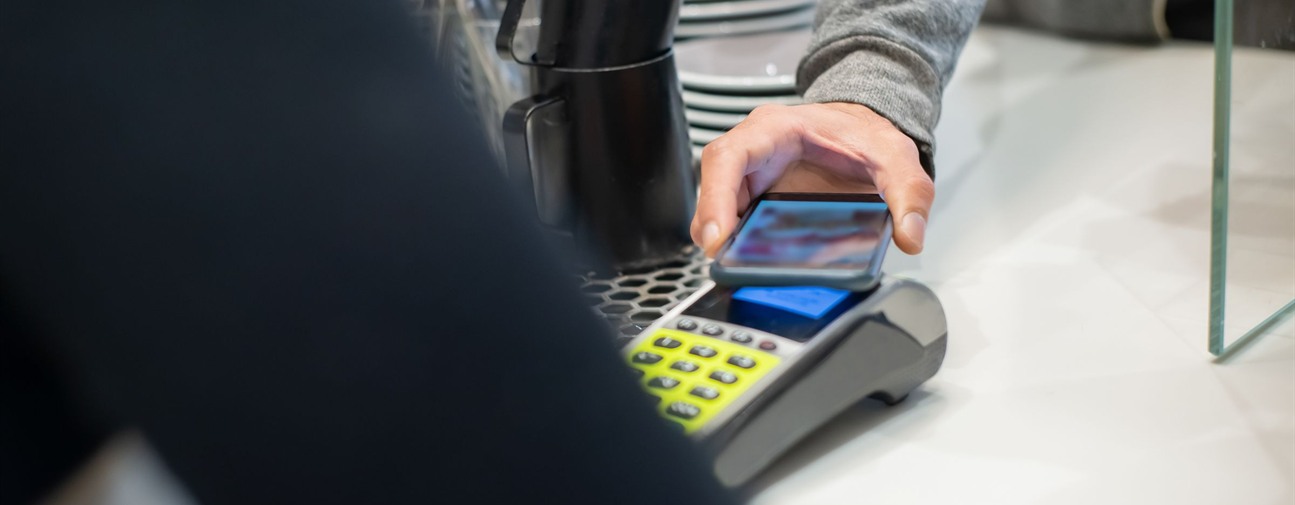
Mobile wallets have become part of modern travel. The same phone used for boarding passes, maps, messages, translation, and hotel confirmations can also support contactless payments where Apple Pay, Google Pay, and compatible wallets are accepted. For travelers, this can reduce the need to carry or expose multiple physical cards.
A digital travel card connected to a compatible wallet gives you a cleaner payment option for everyday movement. Instead of pulling out your main bank card at every counter, you can use a dedicated travel card on your phone or watch where supported.
1. Pay Faster In High-Movement Places
Airports, cafes, transit systems, supermarkets, hotels, and ride services often move quickly. A contactless wallet payment can be more convenient than searching for a physical card. This is especially useful when you are carrying luggage, handling tickets, or moving through a crowded place.
Speed is not the only advantage. A wallet payment also lets you keep your physical cards stored away. That reduces the chance of leaving a card behind, dropping it, or showing the card number in public.
A mobile wallet can make travel payments faster, but the real advantage is using it with a dedicated card that keeps your main card out of daily trip activity.
2. Use A Dedicated Card For Wallet Payments
Adding a travel card to a compatible wallet creates a practical separation. The card used for cafes, transport, local shops, and quick purchases does not have to be the same card used for your normal bills. That makes activity easier to review and replacement easier if a problem appears.
Compatibility can depend on region, wallet provider, and card availability, so travelers should prepare before leaving. Confirm that the wallet works in the destination and keep a backup payment method ready.
3. Protect The Phone That Holds The Wallet
A mobile wallet is only as useful as the security around the device. Use a strong lock method, keep your operating system updated, avoid sharing device access, and know how to disable wallet access if the phone is lost. Good device habits are part of good payment habits.
Travelers should also avoid storing too many cards without purpose. A cleaner setup is easier to manage: one travel card for daily wallet payments, one backup method, and your main card kept private when possible.
4. Travel Lighter Without Losing Control
The strongest travel payment setup balances convenience and control. Mobile wallets are convenient, but pairing them with a dedicated digital card makes the setup more intentional.
eSIMBLACK Card is built around that idea: a digital card experience for travelers who want easier payments, cleaner organization, and less exposure for their primary card.
5. Set Up The Wallet Before You Travel
The best time to prepare mobile wallet payments is before departure. Add the travel card, confirm that the wallet works on the device, check security settings, and make sure you understand how to remove or suspend the card if the phone is lost. A few minutes of preparation can prevent stress later when you are in an airport, hotel lobby, or busy checkout line.
It is also smart to test a small payment before relying on the wallet for the full trip. This confirms that the card, device, and wallet are working together. If something needs to be adjusted, it is better to discover that at home than in a foreign checkout where you may be dealing with time pressure or a language barrier.
A mobile wallet is convenient, but preparation is what makes it reliable. Add the card early, secure the device, and keep a backup method ready.
6. Use Wallet Payments For The Right Purchases
Wallet payments work especially well for frequent, low-friction purchases such as coffee, meals, public transport, groceries, and local shops. These are the moments when pulling out a physical card again and again becomes inconvenient. A digital travel card in a wallet gives you speed without turning your main card into the daily payment tool for the trip.
For larger payments such as hotels, deposits, or rentals, you may still want to review terms carefully before paying. The wallet is a tool, not a shortcut around good judgment. Use it where it makes the trip easier, but keep the same discipline you would use with any other payment method.
7. What To Do If The Phone Is Lost
Travelers should have a basic recovery plan. Know how to access device tracking, how to lock the phone remotely, and how to remove wallet access if necessary. Keep account credentials secure and avoid storing sensitive information in places that are easy to access from the lock screen.
eSIMBLACK Card fits into this plan by keeping travel payments attached to a dedicated card layer. If the device or wallet needs attention, you are not automatically exposing the card used for your normal financial life.
8. Balance Convenience With A Backup Plan
Mobile wallet payments can make travel feel lighter, but they should not be the only payment option. Batteries run low, networks fail, devices get misplaced, and some merchants still prefer another payment method. Keep a backup card or another secure option available so one device problem does not stop the trip.
The best setup is balanced: use the wallet for speed, use a dedicated digital card for separation, and keep a backup method for unexpected moments. That combination gives travelers convenience without depending on a single point of failure.
9. Review Wallet Activity After Busy Travel Days
Wallet payments can happen quickly, which is convenient during travel but easy to forget later. After a busy travel day, review the card activity while the purchases are still fresh. This helps confirm that every coffee, transport payment, and store purchase belongs to the trip.

Subscribe to our Newsletter
Travel Card Resources

What to do if a travel card is compromised
If a travel card is compromised, freeze it, review recent merchants, replace it, update trusted services, and keep your main card protected.
Read More
Safer online bookings for travelers
Use a dedicated digital card for online travel bookings to reduce exposure, track deposits, and keep your main card private.
Read More
How three digital cards can organize trip spending
Using up to three digital cards can separate bookings, daily spending, and backup funds for cleaner trip organization.
Read More